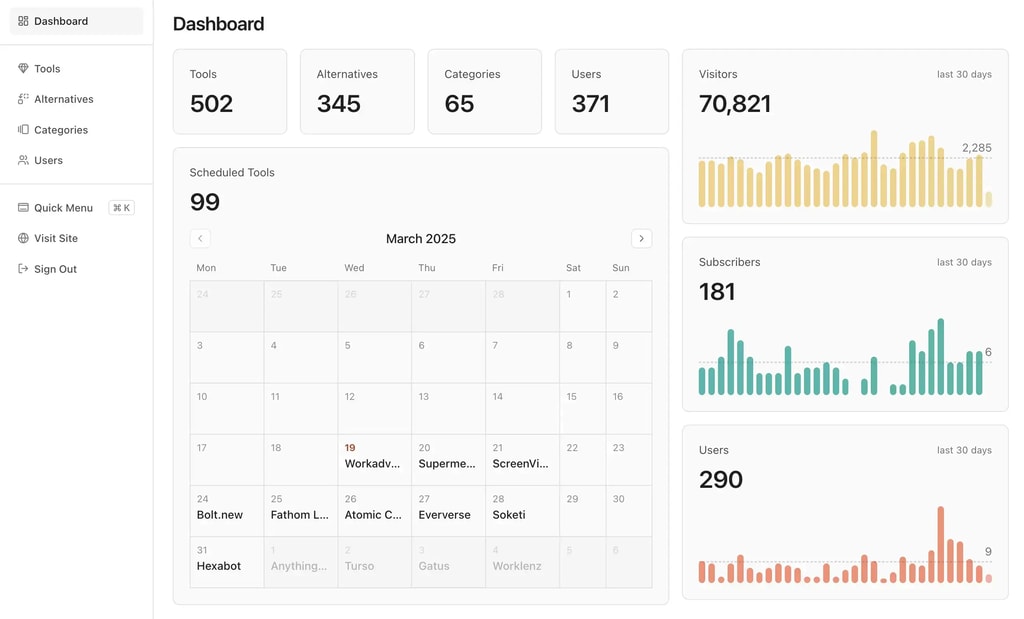
Building a directory website doesn't have to be overwhelming. With the right tools and strategies, it becomes a manageable, rewarding project — whether you're creating a local business directory, a niche resource hub, or a comprehensive listing platform.
This guide covers the essential tools and tips for building a directory website that stands out, attracts users, and grows over time.
What Is a Directory Website?
A directory website organizes and lists information — businesses, services, resources, or other content — in a structured, searchable format. Think of it as a curated database that helps users find what they need quickly.
Directory websites take many forms:
- Business directories: Local or industry-specific businesses with contact details and reviews.
- Resource directories: Curated tools, articles, or services for a specific niche.
- Job boards: Connecting employers with job seekers.
- Event directories: Events aggregated by location or category.
The common thread is organization and discoverability.
Why Build a Directory Website?
Directory websites are a proven business model with multiple revenue streams: paid listings, advertising, subscriptions, and affiliate partnerships. Some of the most successful online businesses — Yelp, Crunchbase, Product Hunt — are fundamentally directories.
Here's why building one makes sense:
- Recurring revenue: Subscription and listing fees create predictable income.
- Low content overhead: Users and businesses submit their own listings.
- SEO advantages: Directories naturally accumulate keyword-rich content.
- Community value: A well-curated directory becomes a trusted niche resource.
The key is finding the right niche and building a platform that genuinely serves it.

Choosing the Right Directory Website Builder
Your platform choice shapes everything that follows. A directory website builder simplifies the process significantly. Dirstarter offers a complete, customizable solution built with Next.js — perfect for developers who want to launch fast.
When evaluating builders, look for these key features:
1. Customizable Listing Fields
Every directory has unique data needs. A restaurant directory requires fields for cuisine type, hours, and price range. A software directory needs pricing model, integrations, and tech stack. Your platform should let you define custom fields that match your niche.
2. Search and Filtering
Users need to find listings fast. Robust search — including full-text search, category filtering, and tag-based browsing — is essential for a good experience.
3. SEO Optimization
Directories live and die by organic search traffic. Look for built-in SEO features like:
- Customizable meta titles and descriptions
- Structured data markup (Schema.org)
- Clean, crawlable URL structures
- Sitemap generation
- Fast page load times
4. Responsive Design
Over half of web traffic comes from mobile devices. Your directory must look and function well on smartphones and tablets. Responsive design isn't optional — it's baseline.
5. Monetization Features
Revenue requires built-in monetization tools. Dirstarter offers paid listings, featured placements, and subscription tiers out of the box.
6. Admin Panel
Managing hundreds or thousands of listings demands a powerful admin interface. Look for bulk editing, moderation tools, and analytics dashboards.
Essential Tips for Building a Successful Directory Website
The right platform is just the start. These strategies separate thriving directories from abandoned ones.
Define Your Niche Clearly
The biggest mistake new directory builders make is going too broad. "All businesses in the US" isn't a viable niche. "Sustainable fashion brands" or "remote-friendly tech companies" — those are niches you can own.
A focused niche lets you:
- Attract a specific, engaged audience
- Build authority faster
- Create more targeted marketing campaigns
- Charge premium rates for listings
Seed Your Directory Before Launch
An empty directory won't attract users. Before launch, manually add at least 50–100 quality listings in your niche. This initial content makes your directory feel established and valuable from day one.
Make Submission Easy
Complicated submission forms drive businesses away. Keep forms simple, focused on the most important fields. You can always collect more information later.
Consider offering:
- Free basic listings to lower the barrier to entry
- A streamlined submission flow with clear instructions
- Email confirmation and status updates
Prioritize SEO from Day One
Directories have a natural SEO advantage — they generate keyword-rich pages at scale. But you need to optimize them properly.
Key SEO strategies:
- Category pages: Create dedicated pages for each category with unique descriptions.
- Location pages: If your directory is location-based, create pages for each city or region.
- Listing pages: Ensure each listing has a unique, descriptive title and description.
- Internal linking: Link related listings and categories to each other.
- Schema markup: Use structured data to help search engines understand your content.
Build a Community Around Your Directory
The most successful directories aren't just databases — they're communities. Consider adding:
- User reviews and ratings: Let users share experiences with listed businesses.
- Discussion forums: Spaces for your niche community to connect.
- Newsletter: Regular updates with new listings and curated content.
- Social media presence: Featured listings and industry news.
Community makes your directory stickier and harder to replicate.
Implement a Monetization Strategy Early
Don't wait for thousands of listings to think about revenue. Plan your monetization model from the start:
- Freemium listings: Basic listings are free; premium features cost money.
- Featured placements: Charge for prominent positioning in search results.
- Subscription tiers: Offer monthly or annual plans with different feature sets.
- Advertising: Sell banner ads or sponsored content to relevant businesses.
- Affiliate partnerships: Earn commissions by referring users to partner services.
Test different models to find what works best for your audience.

Technical Considerations for Directory Websites
Beyond platform choice, several technical factors affect your directory's performance and scalability.
Performance Optimization
Directories can have thousands of pages. Performance optimization is critical:
- Use a CDN to serve assets quickly worldwide
- Implement caching at multiple levels
- Optimize images with modern formats (WebP, AVIF)
- Use lazy loading for images and content below the fold
- Monitor Core Web Vitals and address issues proactively
Database Design
Your database structure determines flexibility and scalability. Plan for:
- Flexible schema that can accommodate different listing types
- Efficient indexing for fast search queries
- Proper relationships between listings, categories, and users
Security
Directories collect user data and process payments. Security is non-negotiable:
- Use HTTPS everywhere
- Implement proper authentication and authorization
- Validate and sanitize all user inputs
- Regular security audits and updates
- GDPR compliance if serving European users
Promoting Your Directory Website
Building a great directory is only half the battle. You also need to attract both listings and users.
Outreach to Potential Listings
Reach out directly to businesses or creators in your niche. Explain the value of being listed and make submission easy. Personal outreach is time-consuming but highly effective early on.
Content Marketing
Create content that attracts your target audience:
- Blog posts about your niche
- Guides and tutorials
- Industry reports and statistics
- Curated lists and roundups
This content drives organic traffic and positions your directory as an authority. Check out our blog for examples of how content marketing supports a directory website.
Partnerships and Integrations
Partner with complementary services, communities, and publications in your niche. Guest posts, newsletter swaps, and co-marketing campaigns accelerate growth significantly.
Social Proof
Showcase testimonials, case studies, and usage statistics. When potential listers see that others trust your directory, they're far more likely to join.
Measuring Success
Track these metrics to understand how your directory is performing:
- Total listings: Is your database growing?
- Active users: How many people visit and engage regularly?
- Search rankings: Are you ranking for relevant keywords?
- Conversion rate: What percentage of visitors submit listings or upgrade to paid plans?
- Revenue: Are your monetization strategies working?
Set benchmarks and review them regularly. Let data guide where you focus your efforts.
Getting Started with Dirstarter
Ready to build your directory website? Dirstarter provides everything you need to launch a professional directory quickly:
- Built with Next.js for performance and SEO
- Customizable listing fields and categories
- Built-in search and filtering
- Monetization features out of the box
- Admin panel for easy management
- Responsive design that works on all devices
Dirstarter handles the technical complexity so you can focus on building your community and growing your listings. All you really need to bring is a name — find one that's available to register and you can be live in a weekend.
Building a successful directory takes time and effort, but with the right tools and strategies, it's absolutely achievable. Start with a clear niche, choose a solid platform, and focus on delivering real value to your users.
Explore Dirstarter and launch your directory website today.